Key Takeaways
- 1You can sometimes swap without first buying native gas, but only when the route model supports it.
- 2Gasless routing is one answer, not the only answer, and it is never available on every pair or every chain.
- 3The safest approach is to compare the total path, including approvals, timing risk, and whether funding the wallet first is actually simpler.
This is one of the most common DeFi problems, and it still catches people at the worst possible moment.
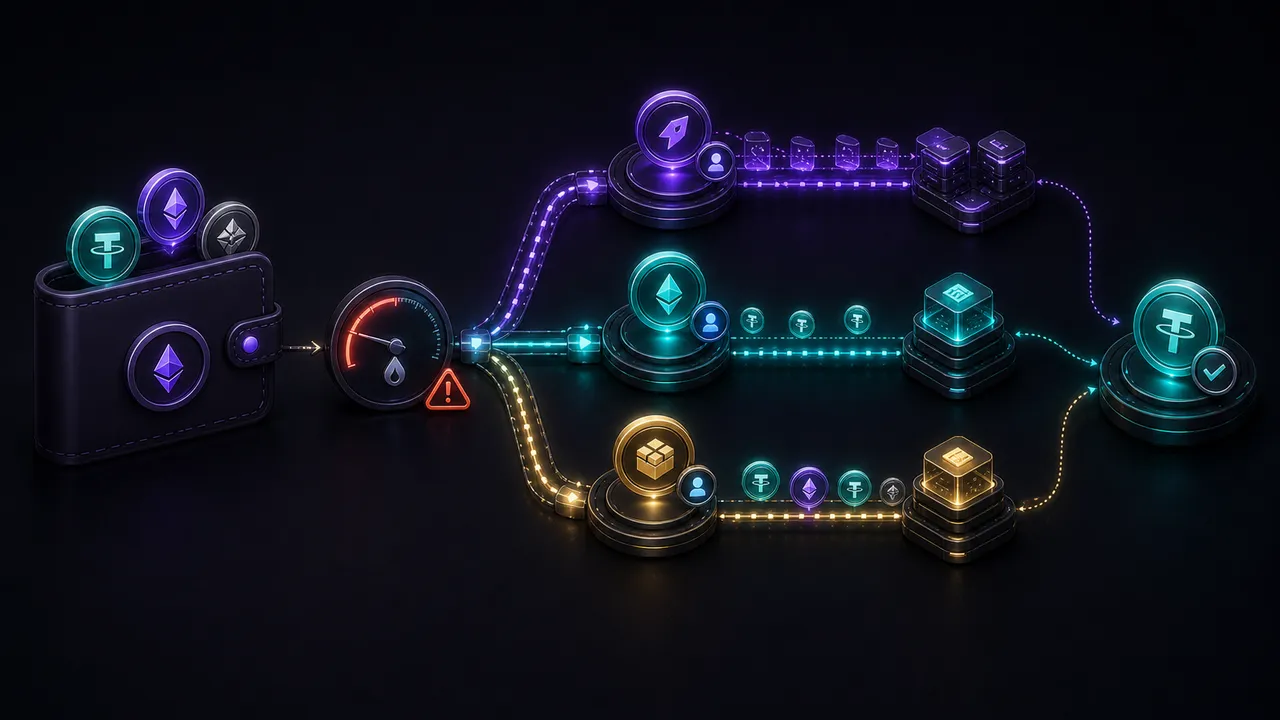
You hold the token you want to trade. The quote looks fine. The route is there. And then the wallet reminds you that owning the asset is not enough. You also need the chain’s native gas token just to move it.
That feels irrational to newer users because, frankly, it is unintuitive. If someone holds USDC, it is natural for them to assume they can swap USDC. On most public chains, that is not how execution works.
The good news is that there are ways around it.
The short version is this: you usually cannot perform a normal onchain swap without gas, but you may still be able to trade through a gasless route or another route design that abstracts the gas requirement away from the wallet.
At a glance: If you do not hold the native gas token, your two cleanest options are usually gasless routing or funding the wallet with a small amount of gas first.
Why this problem exists
Blockchains charge network fees to process transactions. On Ethereum, that fee is paid in ETH. On Polygon, it is paid in POL or MATIC depending on the environment. Other chains have their own native gas assets.
That means even if your wallet holds a perfectly tradeable asset like USDC, WBTC, or UNI, the network still expects gas in its own native token to include your transaction.
The swap is not blocked because your token is invalid. It is blocked because the network needs payment in a different unit.
That is the part users dislike, but it is also why route design matters so much.
Option 1: Use a gasless swap route
This is usually the most elegant answer when it is available.
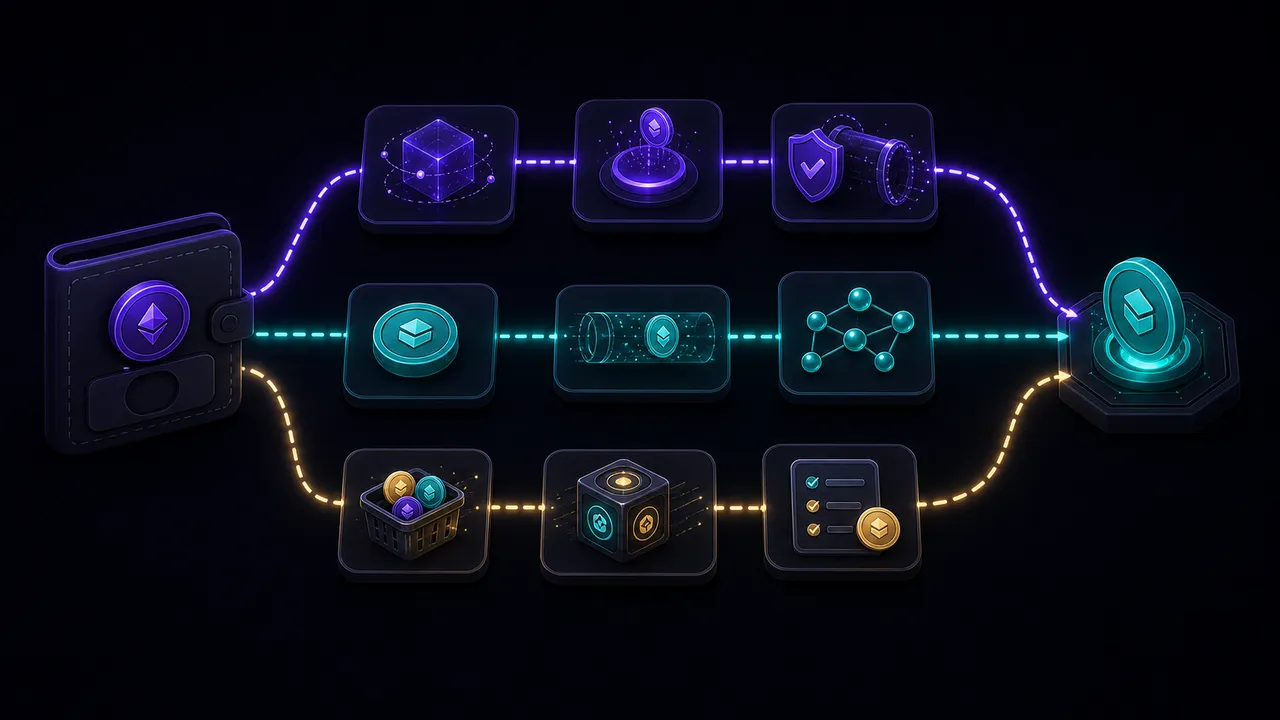
A gasless route allows the user to sign an order rather than submit a standard transaction that burns their own native gas balance. A third party executes the trade onchain and covers the gas upfront. The cost is still part of the trade economics, but the user does not need the native token sitting in the wallet at the moment of submission.
This is often the best path when:
- you have the token you want to trade
- you do not have the chain’s native gas token
- the route is supported for your pair, size, and chain
- the interface clearly labels the trade as gasless
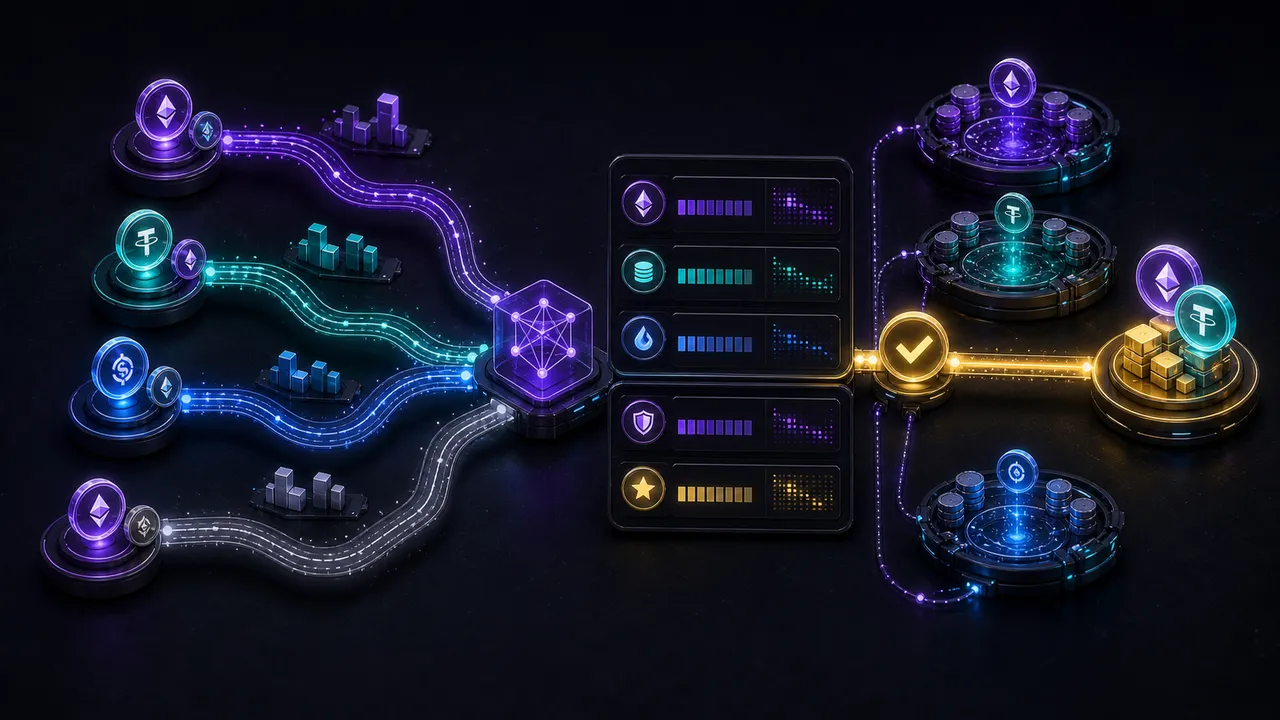
For a route-aware product like MindSwap, this is exactly where smart routing becomes practical rather than theoretical. The platform can detect whether a gasless route exists and present it before the user falls into a dead-end transaction flow.
Option 2: Fund the wallet with a small amount of the native token
The boring answer is still a real answer.
If a gasless route is unavailable, the simplest fallback is to send a small amount of the network’s native token into the wallet so you can complete a standard swap.
That can happen by:
- transferring a small balance from another wallet
- withdrawing from a centralized exchange
- buying the gas token elsewhere first
- receiving a transfer from a friend or teammate
- bridging in native liquidity, if your setup supports it
This is not elegant, but it works. The trick is not to overcomplicate it. Many users only need enough gas to complete one approval and one swap.
Option 3: Use a route that bundles the user journey more intelligently
Some route designs reduce the number of manual steps by combining operations or surfacing paths that are more forgiving when the wallet is underfunded for gas.
That does not mean every route becomes magically gasless. It does mean a route-aware interface can help the user avoid choosing a path that immediately fails.
For example, a product might:
- favor a gasless route when available
- show when a standard onchain route requires native gas
- explain whether a cross-chain route leaves the user stranded on the destination chain
- clarify when an approval step will still need gas
The value here is not just execution. It is decision quality.
Option 4: Change the order of operations
Sometimes the user’s problem is not “I cannot swap.” It is “I am trying to swap in the wrong order.”
A few examples:
Better path. Acquire a small amount of destination gas first, then perform the main swap.
Better path. Use a route that ends with the asset you need on the target chain, rather than bridging first and figuring it out later.
Better path. Use a gasless flow for the initial move, then continue from a better-funded wallet state.
This is why products that expose route logic cleanly feel smarter. They are not just showing a quote. They are helping users avoid operational mistakes.
What usually does not work
It helps to be explicit here.
A normal onchain swap without gas. If the swap requires a standard wallet-submitted transaction, the chain still needs its native gas token. The transaction will not go through without it.
Assuming any token can pay gas. Most chains do not allow arbitrary tokens to pay network fees natively.
Forgetting the approval step. Even if the swap itself can be made smoother, some tokens or routes may still require an approval or signature flow first.
Bridging into a chain and expecting to keep moving for free. This is one of the most common ways users get stuck. They arrive successfully but still do not hold the destination chain’s native gas token.
The best workflow for most users
If you want a clean decision tree, it usually looks like this:
1. Check whether a gasless route is available
This is the best-case scenario for convenience.
2. If not, check whether the route requires a direct wallet transaction
If yes, you will probably need the native gas token.
3. Decide whether funding the wallet is worth it
For many users, the answer is yes. A tiny amount is often enough to get unstuck.
4. Avoid unnecessary extra steps
Do not bridge first and then improvise unless you truly need manual control.
5. Compare the total outcome
A gasless route is great when available, but not if the total economics or reliability are worse than a simple funded swap.
That last point matters. The best route is the route that actually solves the user’s problem, not the route with the best label.
How MindSwap should handle this on the product side
MindSwap can make this topic much easier for users without turning the interface into a textbook.
A good UX approach would:
- label gasless routes clearly
- warn when a route needs native gas
- explain whether an approval step may still be required
- avoid implying that “gasless” means “free”
- show when the destination chain will require gas for follow-up actions
- help users understand why a route was chosen
This is exactly the kind of educational clarity that improves both conversions and trust. Users forgive complexity when the interface helps them navigate it.
A simple example
Let’s say a user holds USDC but no ETH.
They want to swap into another asset on Ethereum.
Path A: standard swap. They will likely need ETH for gas. No ETH, no transaction.
Path B: gasless route. They sign the order, a third party executes it, and the trade can proceed without the user first acquiring ETH.
Path C: fund the wallet first. They send in a small amount of ETH, then use a normal route.
The right choice depends on what is actually available, how much the trade costs end to end, and how much friction the user is willing to tolerate.
The bigger point
This is not just a wallet issue. It is a product-design issue.
A lot of DeFi frustration comes from interfaces that assume users already understand the operational rules of each chain. Most do not. They think in outcomes: “I want to trade this into that.”
MindSwap has a chance to meet users at that level. Not by pretending gas does not exist, but by building routing and explanations that keep gas from becoming the whole story.
Final thought
You cannot force a normal onchain transaction through a chain without paying the chain. But you can use better route design to avoid getting trapped by that requirement at the worst moment.
That is what gasless routing, smarter execution, and cleaner route selection are really for. They do not abolish gas. They stop gas from becoming a usability tax on every decision.
FAQ
Can I swap USDC if I have no ETH?
Only if the route supports gasless or otherwise abstracted execution. A standard Ethereum transaction still needs ETH for gas.
Is gasless always the best option?
No. It is often the most convenient option, but the right route depends on availability, execution quality, and total outcome.
How much gas do I need if I fund the wallet first?
Usually only a small amount for an approval and a swap, but the exact requirement depends on the chain, token, and current network conditions.
Why do users get stuck after bridging?
Because they may arrive on the destination chain without the native gas token needed for the next step.
Can MindSwap fix this entirely?
No interface can repeal network rules, but a route-aware product can make the right options clearer and prevent many avoidable mistakes.
Related reading
To compare live route options, head back to the MindSwap homepage.
Pro Tip
Do not guess whether you can move without gas
Check the live route, because the right move may be a gasless path, a different pair, or simply funding the wallet with a small amount first.
- •Compare route requirements before you sign
- •Watch for approvals on ERC-20 swaps
- •Use the simplest viable path when the economics are close
Related Posts
Blog Guides
 Guides
When Gasless Routing Is Available
Read more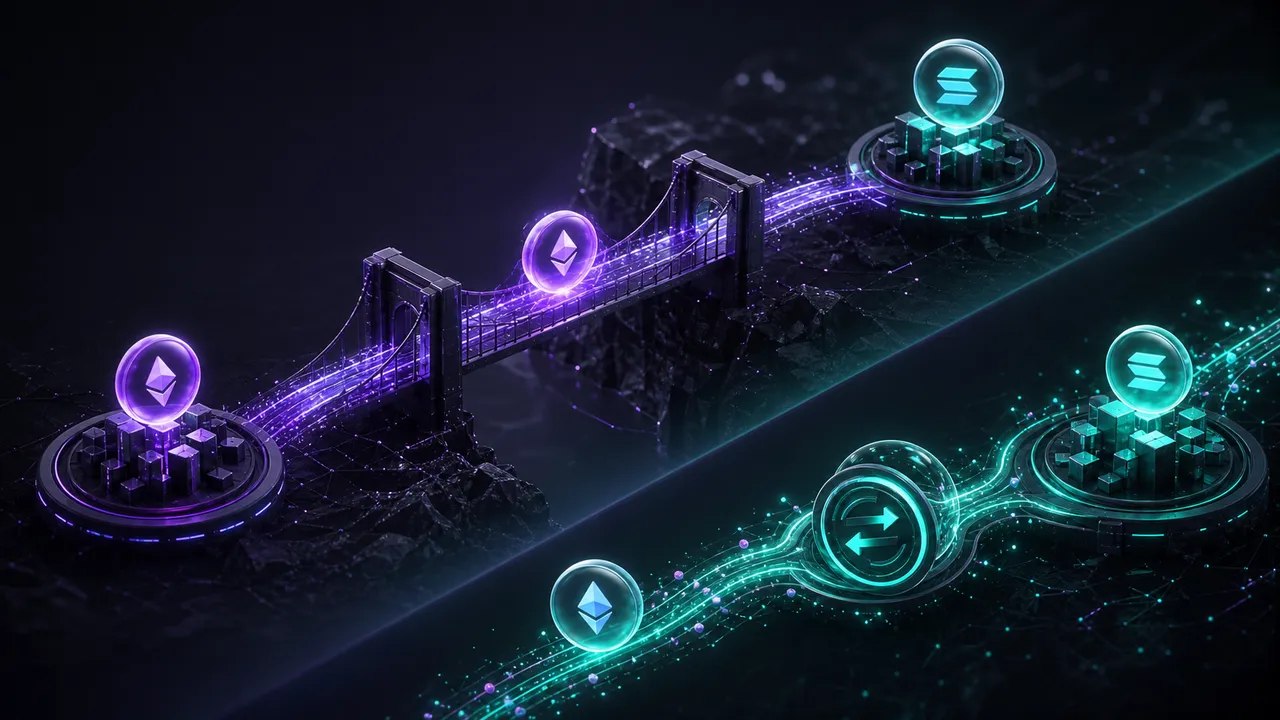 Guides
 Guides